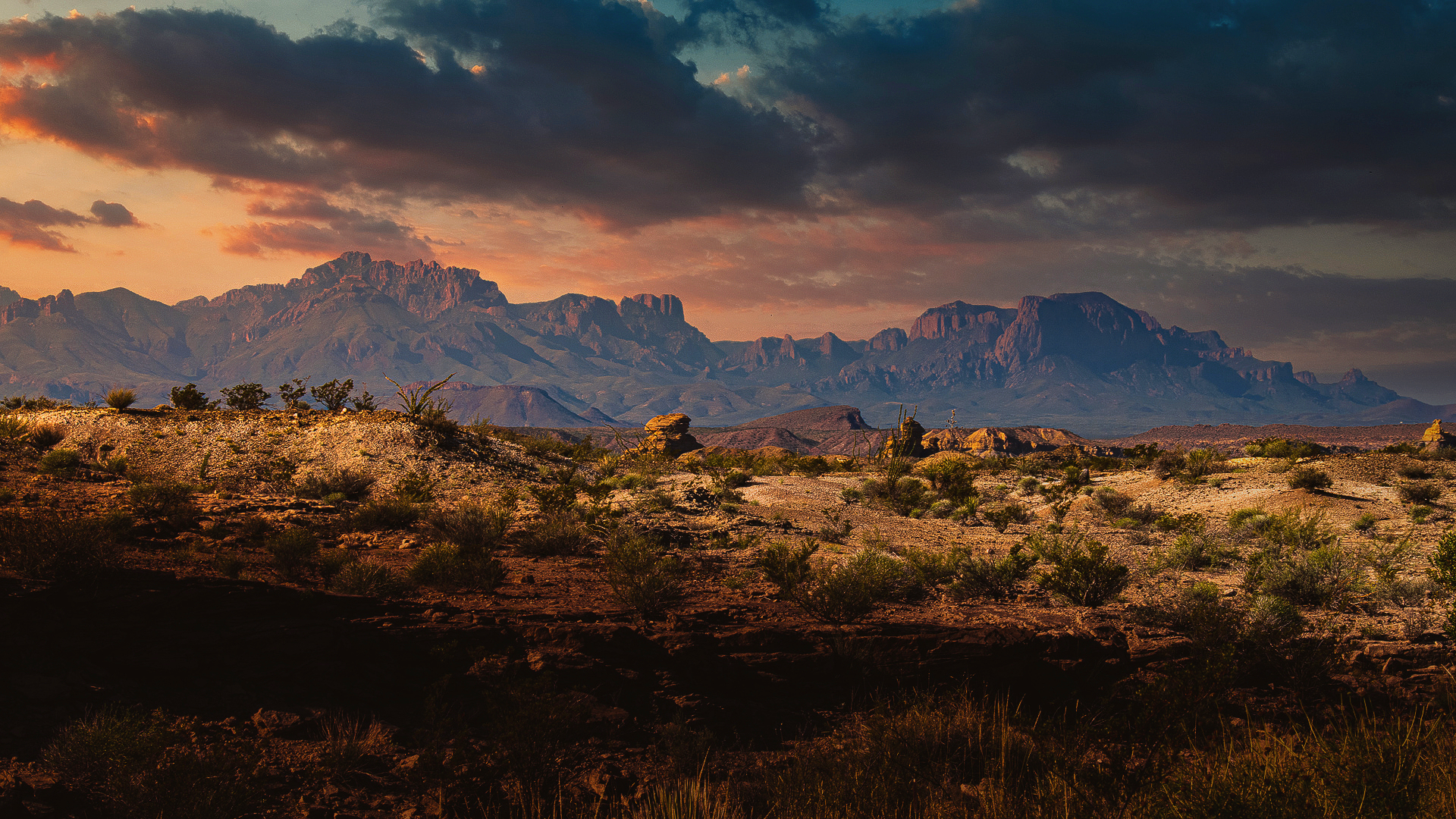
Texas has more than 80 state parks, two national parks, and somewhere north of 7,900 individual campsites spread across terrain that shifts from Gulf Coast flats to West Texas desert mountains to East Texas cypress swamp. The best places to go camping in Texas aren't just pretty — they're distinct from each other in ways that matter. You camp at Garner because there's nowhere else on earth you'll two-step next to a spring-fed river at midnight. You camp at Big Bend's Chisos Basin because the air is 10 degrees cooler than the desert floor and the Milky Way overhead is not a figure of speech.
Reservations for Texas State Parks open five months in advance at the Texas Parks and Wildlife Department's reservation system — the same five-month window applies to campsites and cabins alike. At the most popular spots — Garner, Inks Lake, Palo Duro Canyon — those windows fill within hours of opening. Plan accordingly.
Garner State Park — The Hill Country Classic
Near Concan, 90 miles west of San Antonio, Garner State Park sits where 2.9 miles of the Frio River — the name means "cold" in Spanish, and the spring-fed water earns it at a constant 68°F — cuts through a limestone canyon thick with bald cypress and live oak. Generations of Texas families have grown up here. When you pull into Garner, you'll see homemade banners hanging at campsites marking how many consecutive years a family has returned. Ten years. Eighteen years. Twenty-four.
CCC Company 879 built the park between 1935 and 1941, quarrying native limestone from the Frio River bed to construct the roads, cabins, and the concession pavilion where, every summer evening from Memorial Day through Labor Day, a jukebox dance has been running since the 1940s. Fifty cents per song, a dollar for three. The playlist runs toward George Strait and Hank Williams, with a few curveballs — Devo's "Whip It" makes the cut most years. People come off the river in flip-flops and dance on a concrete slab the size of a baseball diamond under strings of white lights. It is exactly what it sounds like, and it works.
Camping options span primitive tent sites to CCC-era cabins to screened shelters. The Old Garner section — Pecan Grove and Oakmont areas — puts you closest to the pavilion and the river swimming area. New Garner's Shady Meadows loop has the park's full-hookup sites — 12 in total (sites #144–155) — with sewer, water, and 20/30/50-amp electric. Sixteen miles of trails include the steep climb up Old Baldy for the 360-degree canyon panorama that is Garner's signature view. Summer weekends reach capacity before 10 AM — gates can close as early as 8:30 PM for the dance. Book at the five-month mark.
Palo Duro Canyon State Park — The Panhandle's Red Rock Country
The Panhandle looks flat until it doesn't. From the prairie around Canyon and Amarillo, the ground simply disappears — a canyon system dropping up to 800 feet into red, orange, and purple rock, the second-largest canyon in the United States. Palo Duro Canyon State Park occupies the most dramatic stretch of it, and camping here is unlike anything else in Texas.
The campground loops — Mesquite, Juniper, Sagebrush, Hackberry — sit on the canyon floor, surrounded by hoodoos and red rock formations. CCC stone cabins built in the 1930s perch on the canyon rim with views that need no embellishment; Cow Camp cabins sit on the floor itself. For something different, the glamping operation at Palo Duro (separate reservations through PaloDuroGlamping.com) offers fully furnished sites with air conditioning, refrigerators, gas fire pits, and bicycles. The canyon floor runs 5 to 10 degrees hotter than the rim in summer — trail closures go into effect on heat advisory days from 11 AM to 5 PM on the Lighthouse, Comanche, and Givens-Spicer-Lowry trails. Burn bans in the canyon can go into effect or lift on short notice depending on local wind and drought conditions, so check the TPWD or Randall/Armstrong County website the day you arrive — if one's active, only containerized fuel stoves with a shut-off valve are allowed, no wood or charcoal fires.
The TEXAS Outdoor Musical runs Tuesday through Sunday in summer at the Pioneer Amphitheater on the canyon floor. The Old West Stables inside the canyon offer guided horse rides through Timber Creek Canyon. Daily entrance is $8 per person 13 and up; like every other TPWD site, cabin reservations open five months out and vanish fast. The Lighthouse trail — 5.5 miles out and back to a freestanding red rock column — is the park's signature hike.
Big Bend National Park (Chisos Basin) — West Texas at Its Most Remote
A five-and-a-half to six-hour drive (nearly 300 miles) southeast of El Paso, Big Bend's 801,163 acres hold the Chihuahuan Desert, the Rio Grande, and the Chisos Mountains inside one boundary — three entirely different ecosystems. It's a haul from anywhere; Alpine and Marfa, the region's gateway towns, are about three hours out, with another hour-plus of driving still ahead to reach the park itself and climb up into the Chisos Basin. The Chisos Basin Campground, sitting at 5,400 feet in a bowl of tall rocky cliffs, is the most sought-after site in the park. It is almost always full. Temperatures there run notably cooler than the desert floor, and the campground sits within walking distance of the park's only restaurant (at the Chisos Mountains Lodge) and the main trailheads for the Window Trail and Lost Mine.
The campground has 60 sites with picnic tables and bear-proof food storage, but no hookups and no showers on-site. The road up to the basin is steep and winding with sharp hairpin turns — RVs over 24 feet and trailers over 19 feet are not recommended and will not be accommodated. Some sites open for reservation six months in advance on Recreation.gov; there is no first-come, first-served camping at Chisos Basin. One detail worth knowing: the Chisos Mountains are the only known nesting ground in the United States for the Colima warbler, which arrives in mid-April. That single fact tells you something about how far removed this place is from the rest of Texas.
Inks Lake State Park — The Hill Country's Most Consistent Campground
An hour northwest of Austin in Burnet County, Inks Lake runs at a constant level year-round — its dam is managed for navigation rather than flood control, which means you can book a lake trip here in January and expect the same conditions you'd get in August. Nearly 200 campsites, 22 cabins (two ADA-accessible), 9 miles of trails through pink granite outcrops and wildflowers, two fishing piers, and Devil's Waterhole — a granite ledge where people jump into the water below. Texas Parks and Wildlife Magazine has noted regulars who return to the same specific lakeside site year after year. That consistency is the whole story at Inks.
Lake-level sites book out fast. Primitive hike-in sites sit 1.58 miles back and prohibit fires and pets; bring your own water. July average high is 98°F — go early and stay near the water.
Caddo Lake State Park — East Texas Bayou Country 🌿
In the northeast corner of the state near Karnack in Harrison County, Caddo Lake State Park is an entirely different planet from Palo Duro or Big Bend. The 26,810-acre lake — the largest natural lake in Texas, formed by a massive logjam on the Red River — is a maze of cypress-lined sloughs, Spanish moss, and alligators. More than 70 species of fish live here. The CCC built the park's stone cabins and dining hall in the 1930s, and they sit in a semi-circle beneath tall trees. The park offers 46 campsites, screened shelters, and historic rental cabins. Canoe rentals are available at the park office; experienced paddlers can push out onto Hell's Half Acre Paddling Trail.
Campsite 65 sits on the water's edge with a gap in the cypress canopy that functions as a natural canoe dock. Evening light filtering through the moss-covered trees there is something you don't forget. One practical note: Harrison County is under a quarantine to prevent spread of the emerald ash borer — buy firewood where you burn it, no exceptions.
A Few Practical Notes for Any Texas Camping Trip
The Texas State Parks Pass at $70 per year covers entry fees for you and all guests in your vehicle at more than 80 state parks — it pays for itself in a single long weekend. Flash flooding is a real hazard across Hill Country and canyon parks; Palo Duro specifically flags it as a serious danger. Check the weather before you go, and never camp in a dry creek bed. Summer heat at most Texas parks is not a footnote — canyon floors and West Texas sites regularly exceed 100°F, and heat advisories close trails. Burn bans can also shift quickly with drought and wind conditions, so check the relevant county or TPWD page the day you arrive rather than assuming last season's rules still apply. The parks' Facebook pages carry current capacity and closure updates. And every campfire goes in a designated ring. Every single one.
Which one of these have you been to — and which is the one you keep meaning to get back to?


No comments yet